Today, building technologies and industrial design are shaped around durable, environmentally friendly, and economical materials. In this context, aluminum box profiles have become an indispensable solution in various industries due to their lightweight, high strength, and long-lasting structure. Whether it’s an architectural project or an industrial production line, aluminum box profile systems provide both aesthetic and functional solutions.
What is an Aluminum Box Profile?
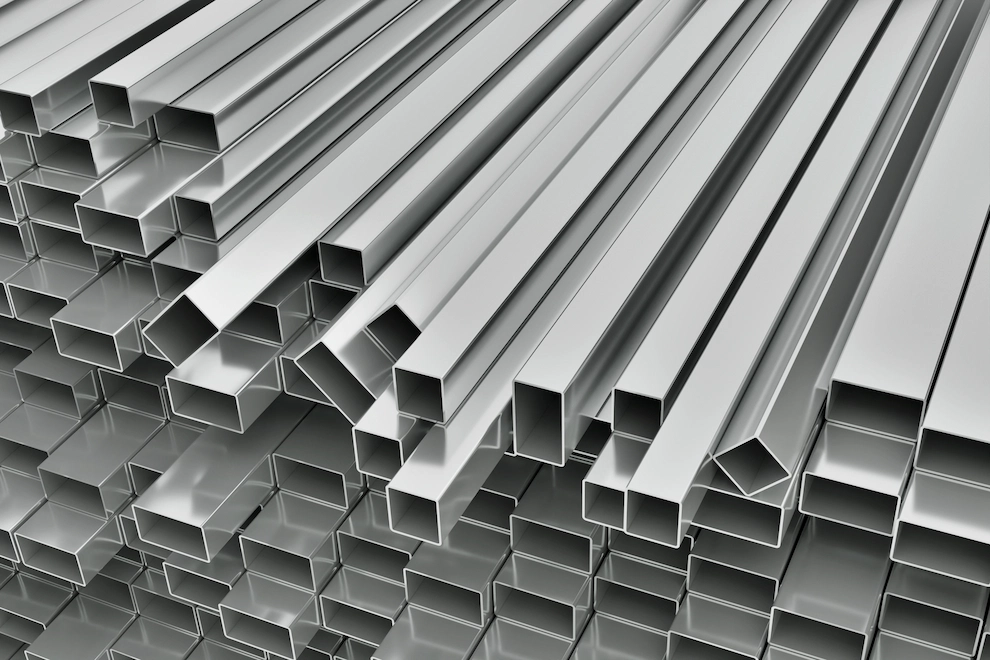
An aluminum box profile is typically a hollow aluminum structural element with a square or rectangular cross-section. These profiles are produced using the extrusion method, where aluminum is passed through molds under high pressure to achieve the desired dimensions and shape. The T5 or T6 alloys used in production provide strength, hardness, and durability to the profile.
The natural aluminum surface is corrosion-resistant, and it can further be enhanced with anodizing or static paint coating processes to improve surface durability and aesthetics. This allows for a wide range of architectural design possibilities in different colors, textures, and matte/gloss options.
Aluminum box profiles come in various sizes depending on their intended use. They can be manufactured in many dimensions, ranging from small cross-sections such as 10×10 mm to large load-bearing profiles like 200×100 mm. This variety allows for tailored solutions for specific projects.
What Does an Aluminum Box Profile Do?
The greatest advantage of aluminum box profiles is their ability to offer high strength despite being lightweight. This balance makes them indispensable in both architecture and industry.
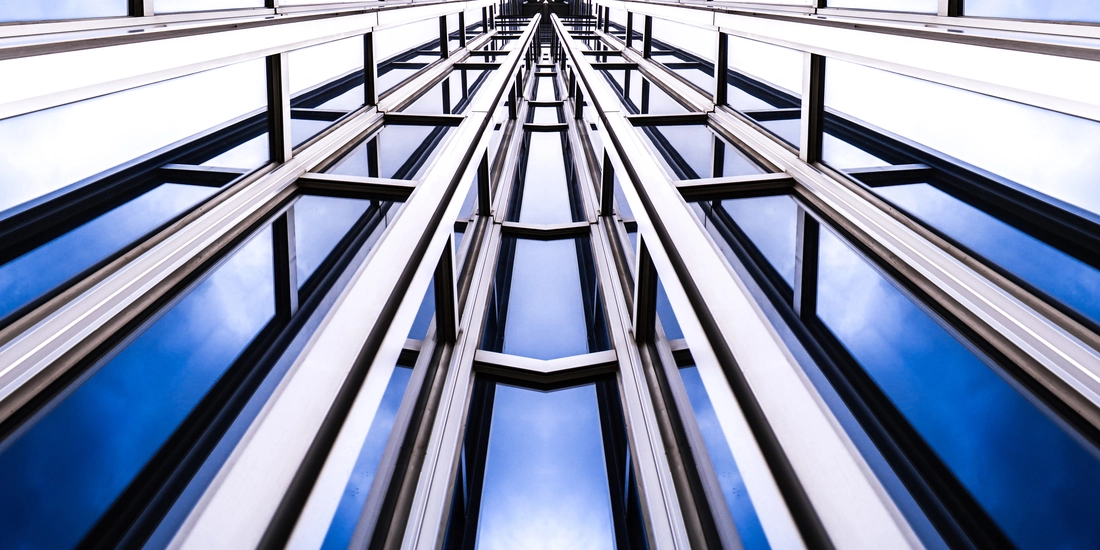
- Structural Applications: They serve as strong support elements in architectural structures such as roofing systems, railings, pergolas, and façade frames.
- Industrial Systems: They are used in conveyor lines, machine frames, assembly platforms, and automation systems.
- Furniture and Decoration: They provide an aesthetic frame for office systems, exhibition stands, shelves, and modular furniture designs.
- Energy Applications: Ideal for solar panel support systems, battery enclosures, and structures that support heat transfer in electronic components.
- Automotive and Aerospace: They are frequently used in vehicle bodies, cabin interior frames, and lightweight construction solutions.
Thanks to their easy machinability, they are suitable for cutting, drilling, welding, and surface coating processes. This provides advantages such as fast production, low maintenance costs, and time savings in projects.
Factors Affecting the Dimensions and Prices of Aluminum Box Profiles
Each project requires a different type of aluminum profile. As the profile’s length, cross-sectional size, wall thickness, and alloy type vary based on the project design, aluminum box profile prices also fluctuate according to these features.
Additionally, the type of surface coating (e.g., anodized or painted surface), production volume, and custom cutting requests are factors that affect the cost. Therefore, choosing the right profile directly impacts both engineering performance and budget efficiency.
When determining the most suitable profile for a project, it is essential to share technical details with the manufacturer. This ensures an ideal result in both strength and aesthetics.
Where Are Aluminum Box Profiles Used?
The application range of aluminum box profiles is quite broad. They are primarily used in the following sectors:
- Architectural Applications: Facade systems, decorative columns, outdoor structures, and shading systems.
- Industrial Production Lines: Machine constructions, supporting platforms, modular equipment frames.
- Furniture and Interior Design: Modern office furniture, partition systems, shelf and stand constructions.
- Electrical and Electronics: Energy transmission channels, heat dissipation enclosures, protective profiles.
This versatility elevates aluminum box profiles from being just a building material to becoming a core component of systematic engineering solutions. Moreover, their recyclable structure fully aligns with sustainable production practices.
A Manufacturer Standing Out with Quality Standards: Sistem Aluminum
The factors that determine the quality of aluminum profiles include production technology, mold precision, heat treatment, and surface tolerances. Sistem Aluminum has been a leader in the industry, standing out with its trustworthiness and high engineering standards for years.