Aluminum profiles, one of the building blocks of modern industry, are among the most important solutions for improving efficiency in engineering. Due to their lightweight nature, high strength, corrosion resistance, and ability to be produced in various geometries, they offer both functional and aesthetic advantages in many sectors. In this article, let’s take a closer look at the technical fundamentals and application areas of aluminum profiles.
What is an Aluminum Profile?
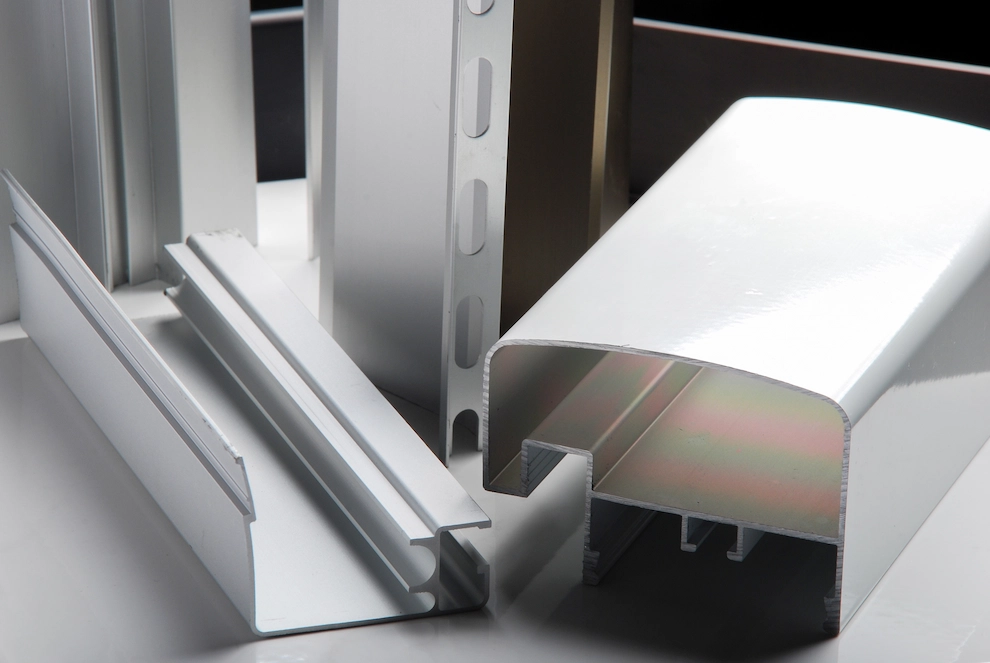
An aluminum profile is a semi-finished material produced by applying an extrusion process to aluminum raw material at a specific temperature. During this process, aluminum is passed through a mold under high pressure, resulting in the desired cross-sectional shape. The alloy ratio and heat treatment type (such as T5, T6) used during the production process directly affect the profile’s strength, formability, and surface properties.
The natural oxide layer on aluminum creates passive protection against corrosion on the surface. This feature offers long-lasting usage, especially under outdoor conditions. Furthermore, the profile’s surface can be enhanced through anodizing or static paint coating processes, improving both aesthetic and durability properties.
As a result, aluminum profiles are engineering materials that provide a balance of efficiency, lightweight, and longevity.
What Does an Aluminum Profile Do?
Due to their mechanical strength, modularity, and machinability, aluminum profiles offer a wide range of technical applications. They allow for systematic solutions from production to assembly.
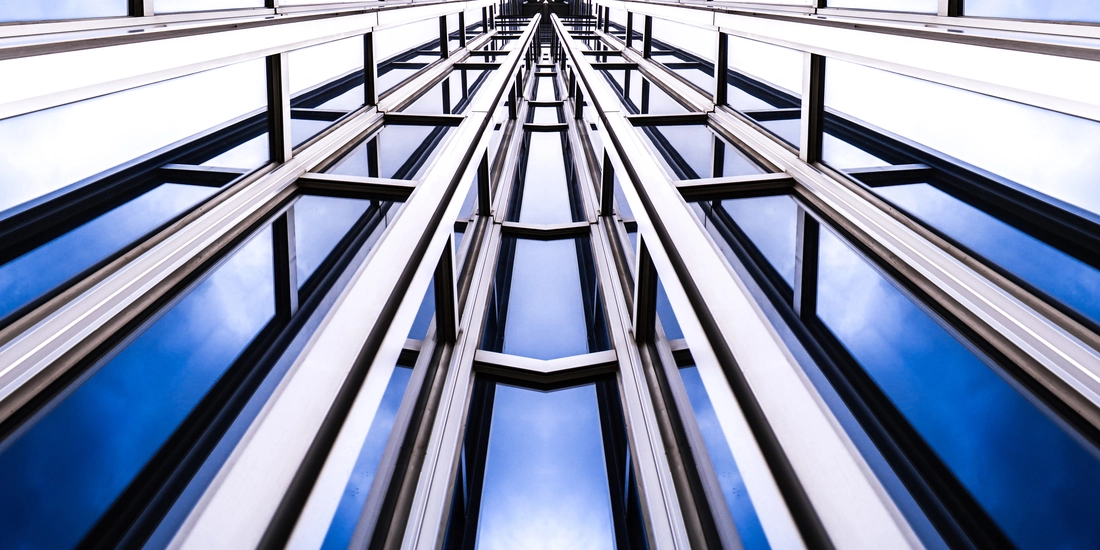
In architectural systems, aluminum profiles serve as load-bearing elements for façade cladding, window and door frames, and sliding door systems. In these applications, the key parameters to consider in profile design include thermal insulation, static strength, and water resistance.
In industrial applications, aluminum profiles are essential building elements for automation systems, conveyor lines, supporting frameworks, and assembly lines. The modular structure of these profiles ensures quick installation and easy maintenance, optimizing the “time-efficiency” balance in engineering.
In energy and electronics systems, aluminum profiles are frequently used in the production of heat sinks due to their high thermal conductivity. These structures, which transfer heat while maintaining mechanical rigidity, contribute to the stability of electronic systems.
In the transportation, defense, and aerospace industries, aluminum profiles are used to reduce weight while maintaining load-carrying capacity. This improves fuel efficiency and ensures structural durability.
Where are Aluminum Profiles Used?
The application areas of aluminum profiles depend not only on the technical features of the product but also on the specific needs of the sector. They are commonly found in the following areas:
- Architectural Applications: Facade systems, sunshades, door and window frames, load-bearing structures.
- Industrial Systems: Assembly lines, automation equipment, modular supporting frames.
- Electrical and Electronics: Heat sink housings, enclosures for energy transmission lines.
- Automotive and Aerospace: Chassis components, interior framework, lightweight construction structures.
- Furniture and Design: Office systems, shelf frames, decorative modular structures.
This variety shows that aluminum profiles are not just a building material but also a core component of systematic engineering solutions. Their lightweight nature makes them easy to transport, while their high durability offers long service life. Additionally, their recyclability aligns with sustainable production practices.
For Technical Quality and Safety: Sistem Aluminum
In aluminum profile production, quality depends not only on material properties but also on extrusion technology, heat treatment processes, and dimensional tolerances. At this point, Sistem Aluminum stands out with its corporate production strength that has been shaping the industry for years.
With modern production lines, high-precision molds, and an R&D-supported engineering approach, Sistem Aluminum offers not only products but also solution-oriented manufacturing.
If you’re looking for a partner that brings together technical excellence, durability, and aesthetics for your projects, Sistem Aluminum will be the right solution provider.