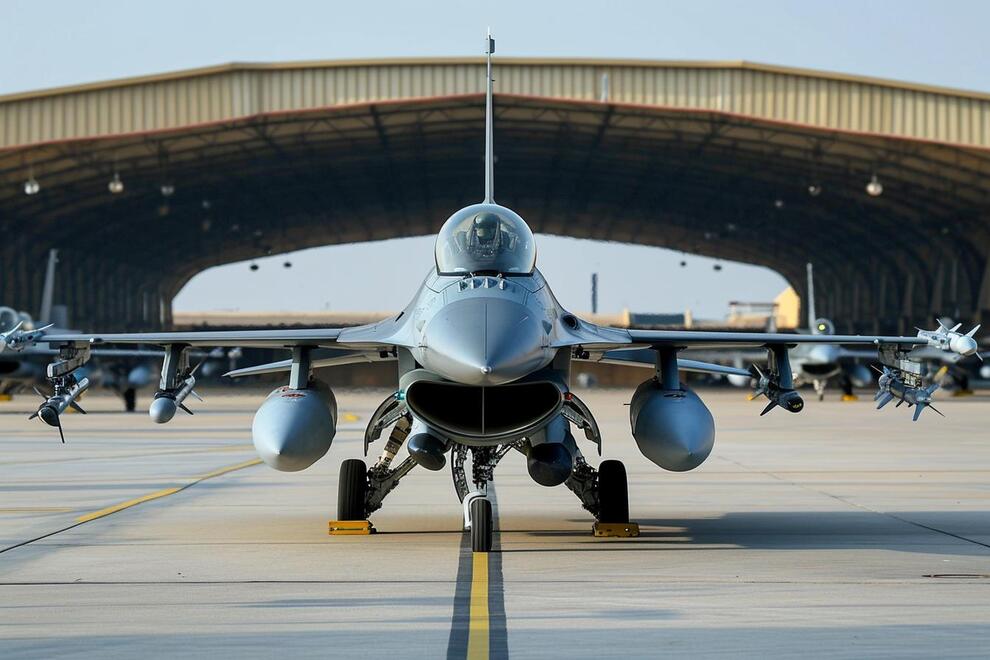
In aviation structures and defense systems, the primary motivation for choosing aluminum is its ability to reach astonishing strength levels through correct alloying and heat treatment processes, despite its density being approximately one-third that of steel. This balance increases the fuel efficiency of aircraft while providing mobility and logistical advantages in defense systems.
In today’s landscape, Sistem Aluminum crowns its expertise in extrusion technology with alloy management compliant with aviation standards. Modern monitoring systems used in production processes guarantee grain orientation and mechanical homogeneity within the profile’s internal structure, ensuring the emergence of components with high fatigue resistance under dynamic loads.
Mechanical Strength and Alloy Engineering in the Defense Industry
Aluminum components used in defense industry projects must meet criteria for impact resistance and structural integrity, not just lightness. High-strength 2000, 5000, and 7000 series alloys, utilized especially in armored vehicle parts, ammunition systems, and military communication equipment, are processed with millimetric tolerances at Sistem Aluminum’s advanced technology facilities.
Zinc-based alloys such as 7075 and 7050 are indispensable for structural defense applications due to the yield and tensile strength values they achieve after heat treatment. Every second in the extrusion and tempering processes of these alloys determines the material’s corrosion resistance and stress crack sensitivity. Spectral analyses and hardness tests performed in Sistem Aluminum’s laboratories confirm that every profile possesses the metallurgical structure required to fulfill its duty perfectly under the harshest field conditions.
Aviation Standards: Precision and Traceability
For materials used in the aviation sector, the traceability and certification process is as vital as the production itself. Every part, from wing skeletons to fuselage support structures, and from interior cabin components to fasteners, must fully comply with international aviation norms. Thanks to the quality management systems implemented on its production lines, Sistem Aluminum offers full traceability by keeping the entire process under record, from raw material to the final product.
While copper-based alloys like 2024, preferred in aviation applications, stand out with high fatigue resistance; 6061 and its derivative alloys are preferred for their balance of weldability and corrosion resistance. The technical support provided by Sistem Aluminum guides engineers at the design stage in choosing the most accurate alloy and temper, contributing to the optimization of the project’s total weight and the extension of its operational life.
Global Competition through Innovation and Domestic Production Power
In strategic sectors such as aviation and defense, domestic production power is a critical parameter for the technological independence of nations. Sistem Aluminum focuses on high value-added products that reduce import dependency and increase export potential through special alloy development studies conducted in its R&D center.
This high-tech production model, combined with the “Green Aluminum” vision, also serves the sustainability goals in the defense and aviation industries. From the unmanned aerial vehicles of the future to modern defense platforms, the synergy derived from aluminum’s lightness and strength will continue to be shaped by Sistem Aluminum’s engineering signature.