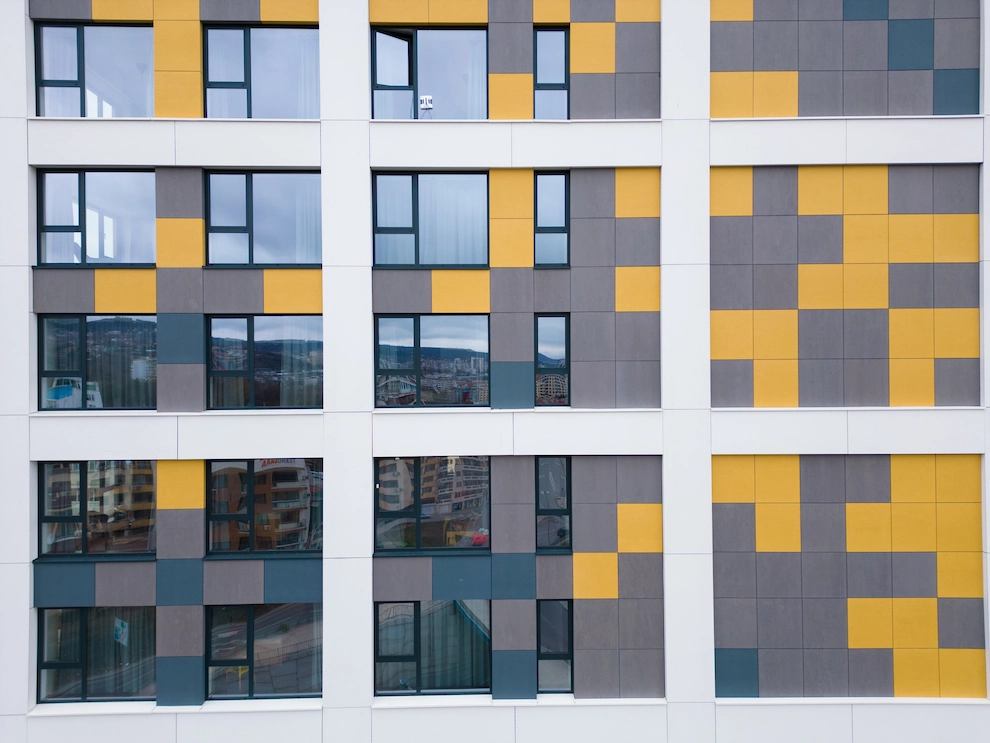
A ceramic façade cladding system is a modern architectural solution that provides both an aesthetic appearance and durability for building exteriors. In today’s architecture, structures are expected not only to look appealing but also to be long-lasting, energy-efficient, and environmentally friendly. At this point, ceramic façade cladding systems have become one of the most preferred applications in modern architectural design.
Known for their solid structure, resistance to external factors, and rich color options, ceramic claddings enhance a building’s identity while offering long-term protection for façades.
So, what exactly is a ceramic façade cladding system, how is it applied, and why should it be preferred?
What Is a Ceramic Façade Cladding System?
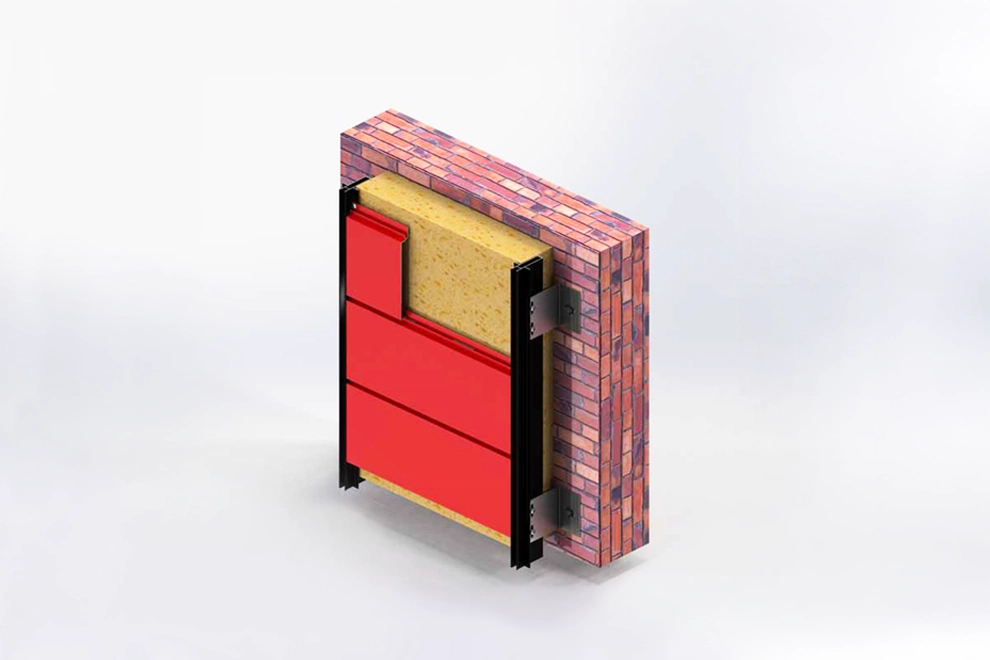
A ceramic façade cladding system consists of ceramic panels mounted on the exterior of buildings using special aluminum carrier profiles. This system protects the building from outdoor conditions while providing a modern, elegant, and refined look.
The ceramic panels used in these systems are produced from specially formulated materials fired at high temperatures. As a result, they are extremely resistant to sunlight, rain, frost, and wind. Their colors remain stable for many years without fading or surface deterioration.
Ceramic façade systems also allow the building to breathe. The air gap between the wall and the cladding ensures proper ventilation, maintaining humidity balance and contributing to energy efficiency.
Thus, a ceramic façade cladding system is not just an exterior decoration — it’s a comprehensive solution that extends the building’s lifespan, improves comfort, and enhances energy performance.
What Are the Benefits of a Ceramic Façade Cladding System?
The main purpose of ceramic façade cladding systems is to protect the building from external effects while maintaining a long-lasting and aesthetic appearance. However, they also offer multiple advantages:
- Provides thermal and energy efficiency
- Ensures water and moisture resistance
- Offers a long-lasting and low-maintenance solution
- Is fire-resistant
- Adds aesthetic value to the structure
Application Methods of Ceramic Façade Systems
The installation method may vary depending on the building’s structure and project requirements. Generally, two main systems are used:
Adhesive Systems:
In this method, ceramic panels are fixed to the surface using special adhesives. It is typically preferred for low-rise buildings due to its quick application and smooth surface finish.
Carrier Systems:
A more durable and professional approach — ceramic panels are mounted on aluminum carrier profiles, providing strong and reliable attachment. This method is widely used in high-rise buildings, offices, and commercial projects.
Areas of Use
Ceramic façade cladding systems are ideal for both residential and commercial structures due to their aesthetics and durability. Common application areas include:
- Business centers and office towers
- Shopping malls
- Hotels and tourism facilities
- Public buildings
- Educational institutions
- Modern housing projects
With various color and texture options, ceramic claddings expand architects’ creative freedom and design possibilities.
Discover the Alutech Ceramic Façade Cladding System by Sistem Alüminyum!
Modern architecture seeks more than beauty — it demands durability and sustainability.
At this point, the Alutech Ceramic Façade Cladding Systems by Sistem Alüminyum make a real difference.
Developed with Sistem Alüminyum’s industry experience, engineering expertise, and innovative approach, Alutech systems deliver safe, durable, and high-quality façade solutions suitable for all project types.
If your project requires aesthetic excellence, durability, and premium quality, the Alutech Ceramic Façade Cladding System is the perfect choice.
For more information and to select the most suitable façade system for your project, visit https://www.sistemal.com/en/