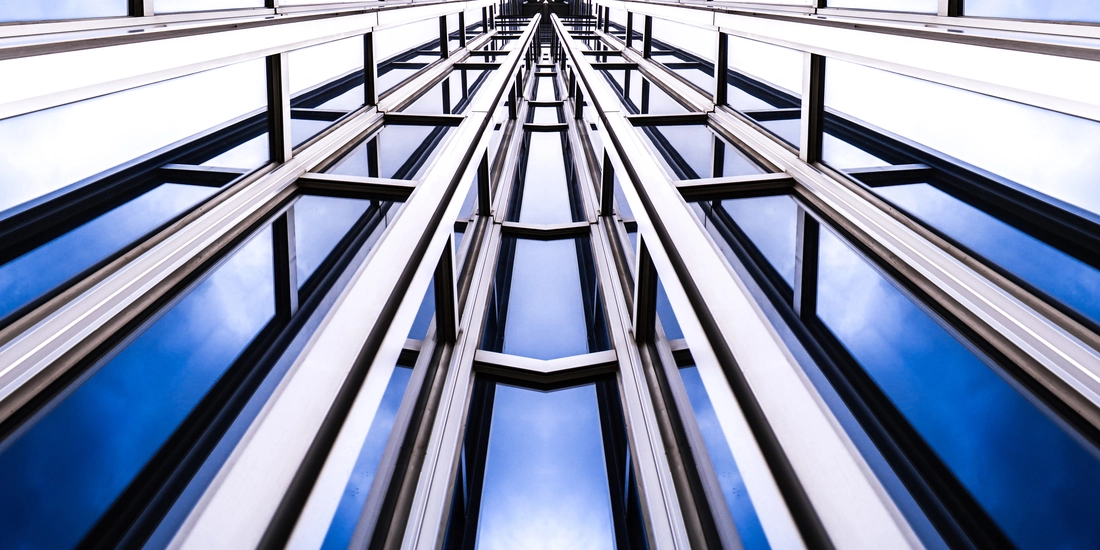
In high budget residential projects, luxury villas, or upper segment commercial spaces, architectural success is not measured solely by exterior grandeur. True prestige begins where aesthetic elegance converges with interior comfort and high energy efficiency. In modern luxury architecture, where wide glass spans, noble metallic lines, and minimal profiles take center stage, the selection of door and window joinery carries vital importance.
If proper engineering solutions are not applied across hundreds of square meters of transparent surfaces, designs can cause indoor heat loss during winter and an increased air conditioning load during summer. The new generation thermally insulated joinery series developed by Sistem Aluminum eliminate these thermal risks, providing qualified projects with lasting technical performance and high comfort standards.
Thermal Performance Across Wide Spans: Thermal Break Technology
In luxury architectural projects, orientation and view focused design necessitate massive window and sliding door openings. Aluminum is the primary structural material capable of supporting these large glass masses with slender profile lines. However, because metal inherently possesses high conductivity, it is prone to forming a thermal bridge between the interior and exterior environments if not processed correctly.
The main element that eliminates this thermal vulnerability in prestigious buildings is thermal break technology. In this system, the exterior body of the aluminum profile in contact with the outside world and the interior body facing the indoor space are separated at the molecular level by specialized composite barriers with minimal conductivity. This multi chamber barrier geometry within the profile structure stops freezing cold or high heat directly at the center of the profile.
Complemented by argon or krypton gas filled, low emissivity (low e) triple glazing integration, this infrastructure brings the total insulation value (Uw) of buildings to an optimum level. The water tightness, air permeability, and wind load resistance levels of the profile systems are verified through internationally accredited IFT Rosenheim test certifications. Consequently, cold air drafts in front of windows during winter months are prevented, achieving a homogeneous indoor room temperature.
Invisible Wall of Comfort: EPDM Gaskets and Acoustic Insulation Power
One factor that negatively impacts the perception of comfort in upper segment projects is the intrusion of exterior noise or the howling of wind during stormy weather into the indoor environment. The success of thermally insulated aluminum joinery depends not only on profile geometry, but also on the sealing engineering at the sash connection points.
Flexible EPDM based gasket layers featuring high air and water impermeability form a sealing barrier between the joinery, glass, and sash frames. This multi layered insulation architecture reduces air circulation to a minimum, even under high wind pressure. Cutting heat losses that could occur through convection, these flexible gaskets also act as a sound barrier absorbing ambient noise. Thanks to this multi layered construction technology, projects attain an atmosphere of silence and tranquility isolated from external noise.
Holistic Surface Aesthetics with Alutechbond Composite Panels
In modern architecture, the aesthetics of door and window joinery must exist in holistic harmony with solid surfaces and spandrel areas on the facade. Continuing the metallic stance of the joinery across the blind spots of the building using the same visual language is an important criterion for architectural continuity. At this point, Alutechbond aluminum composite panels balance the transparent effect created by windows with an opaque structure.
Alutechbond offers smooth surface flatness across large sheets due to its high quality core sandwiched between two aluminum layers. Capable of micro level integration into the same installation channels as the joinery profiles, these panels enable a continuous and monolithic line across the facade. The exterior surface coating processes of both panels and joinery profiles comply with international QUALICOAT standards for electrostatic powder coating applications and QUALANOD norms for anodizing surface treatments. This advanced surface technology establishes a corrosion barrier against UV rays, salty coastal moisture, and exhaust gases, preserving the durability of the exterior envelope for many years.
Frequently Asked Questions (FAQ)
1. How do thermally insulated aluminum profiles resolve condensation issues on windows?
Condensation occurs when warm, humid indoor air comes into contact with an uninsulated, cold surface. Because thermal break Sistem Aluminum joinery interrupts temperature transfer between interior and exterior environments within the profile body, the interior surface of the profile remains warm. Since the surface temperature stays close to room temperature, airborne moisture cannot liquefy, permanently preventing condensation issues.
2. What is the structural and safety advantage of aluminum joinery in large scale projects?
Aluminum is a lightweight structural material featuring a high strength to weight ratio. Certified under EN 1090 1 CE standards in compliance with European norms, this mechanical strength enables aluminum to carry massive glass loads and wide sliding door sashes that plastic (PVC) or timber joinery cannot support, operating with precision without flexing or sagging. This structural stability directly enhances building safety against wind loads. Legal requirements in project specifications are met via the TSE Service Adequacy Certificate.
3. What is the role of thermally insulated aluminum joinery regarding fire safety?
Aluminum is a naturally non combustible metal that does not contribute to the vertical propagation of fire at elevated temperatures. Supported by mineral filled Alutechbond A2 Non Combustible composite panels preferred in blind facade areas complementing the shell, these joinery systems protect escape corridors due to their non dripping structure and non toxic smoke emission compliant with s1 smoke classification standards during a fire.
4. What are the maintenance requirements for aluminum door and window systems?
Aluminum possesses high resistance to corrosion, rust, and UV rays. Passing QUALANOD and QUALICOAT certified surface treatments, these systems maintain their thermal and mechanical performance without requiring paint or heavy chemical maintenance. Periodic cleaning with water and neutral cleaners is sufficient.
Green Building Certification and Sustainable Architectural Value
In today’s global construction sector, classifying a structure as high quality requires more than just a large budget or a prime location; the project must respect nature and meet sustainability criteria. One of the greatest factors elevating project value in the international real estate market is the contribution of selected materials to the circular economy.
Aluminum is a green raw material that can be infinitely recycled 100 percent without compromising its quality or structural properties. Our manufacturing discipline, which utilizes closed loop water circulation systems and keeps carbon emissions low during production processes, aligns our architectural joinery profile series with internationally recognized Environmental Product Declaration (EPD) certifications. This verifiable data facilitates the certification of large projects by securing high scores in global green building audits such as LEED or BREEAM.
Right Balance of Time and Engineering within the Building Envelope
Planning exterior envelope architecture in prestigious residential and commercial projects means seamlessly uniting aesthetic vision with the physical laws of the construction site. Full compliance with ISO 9001 Quality Management, ISO 14001 Environmental Management, ISO 50001 Energy Management, and ISO 45001 Occupational Health and Safety Management System standards is maintained across all manufacturing and management operations. Furthermore, holding Authorized Economic Operator (AEO) status optimizes global logistics processes, guaranteeing that material shipments arrive at construction sites strictly on a Just In Time basis.
Passing seismic movement, wind tunnel, and water tightness tests with top marks in accredited laboratories, insulated joinery systems isolate structures from harsh external dynamics. Combining the lightness and high strength capabilities of aluminum with the flat surface form of Alutechbond, these system solutions transform buildings from passive structures into smart structural shields that minimize energy consumption. This superior engineering discipline demonstrated at every stage, from raw material selection to installation details, imparts a modern silhouette to our cities while establishing the foundation for safe, economical, and eco friendly structural legacies handed down to future generations.