Durability, aesthetics, and lightness… Combining the core expectations of engineering within a single structure is not easy, yet aluminum T profiles achieve this remarkably well.
Named after their “T”-shaped cross-section, these profiles provide great convenience in both functional and design aspects in the modern production world. Today, they are frequently preferred in architecture, automotive, industrial systems, and interior decoration thanks to their strong yet elegant structure.
What Is an Aluminum T Profile?
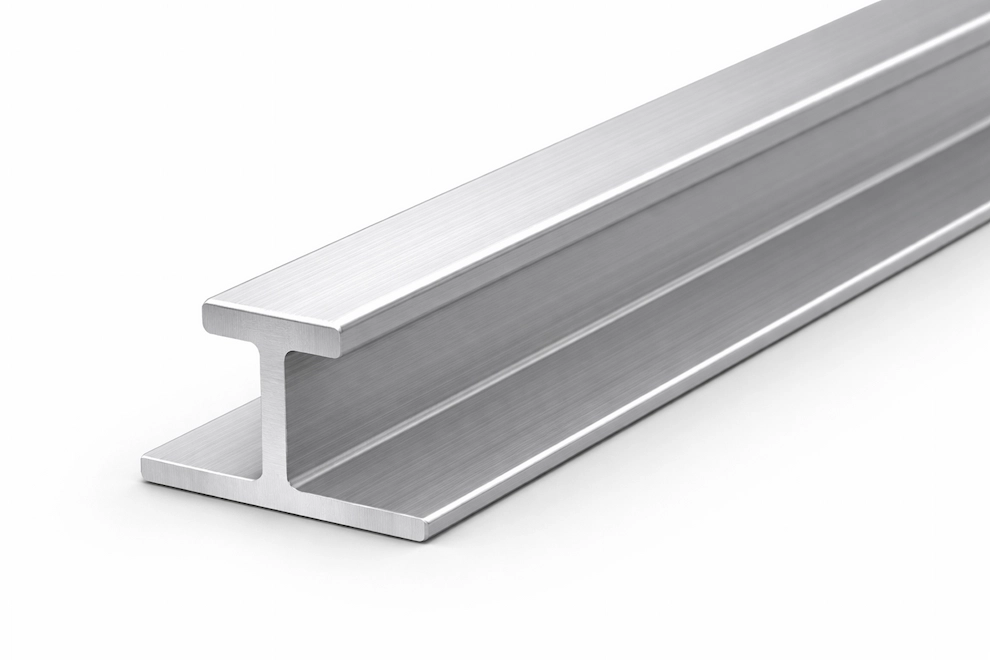
An aluminum T profile is an aluminum material shaped by being passed through molds under high pressure. This production method, called extrusion, gives aluminum its distinctive “T” cross-section. As a result, the profile serves as an ideal connecting element in joints or load-bearing lines.
Typically, 6000 series aluminum alloys are used in its production. These alloys provide high strength, durability, and form stability to the material. Afterwards, T5 or T6 heat treatment is applied, giving the profile both hardness and long service life.
Finally, the surface is coated with anodizing (anodization) or powder coating to add both aesthetic and protective properties.
Since aluminum naturally forms an oxide layer, it already offers strong resistance to corrosion, allowing T profiles to remain rust-free even in outdoor conditions. In addition, their lightweight structure makes transportation and installation much easier.
What Does an Aluminum T Profile Do?
Aluminum T profiles stand out with their combining and supporting functions. In fact, it would not be wrong to describe them as the “invisible heroes that hold designs together.”
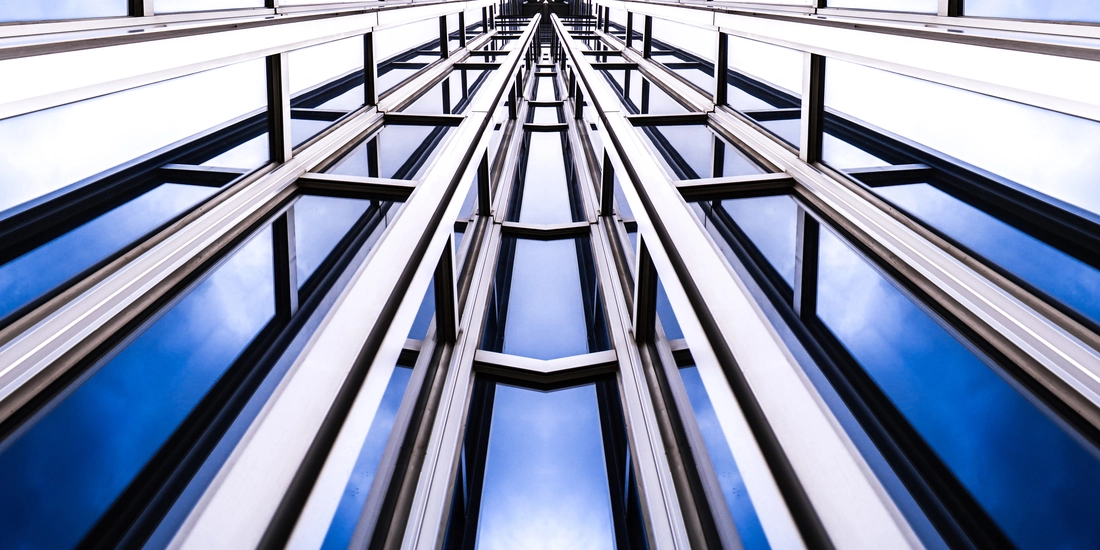
In structural connections: They are used to join two surfaces or support intersecting structural elements. This feature makes a significant difference in façade systems, glass partitions, and wall transitions.
In architectural details: They provide both aesthetics and functionality in ceiling panels, glass cladding, frame joints, and decorative transition lines.
In industrial systems: They act as load-bearing components in machine frames, workbenches, assembly lines, and equipment bodies.
In furniture and interior design: They are preferred as edge finishing, partition, or decorative frame profiles in minimalist designs.
In the energy and electronics sector: They are used in solar panel mounting systems and electronic enclosures.
These profiles are not just technical components; they are also design elements that combine functionality with aesthetics.
Aluminum T Profile Dimensions and Factors Affecting Prices
Aluminum T profile dimensions vary depending on the project. Small-section profiles (for example, 10×10 mm) are generally preferred for decorative applications, while larger sizes (such as 40×40 mm or 60×40 mm) are used in load-bearing systems. This versatility enables solutions for projects ranging from architecture to heavy industry.
Aluminum T profile prices vary based on size, surface coating type, alloy quality, and production quantity. Anodized surfaces, powder coating, and custom cutting requests are among the primary factors affecting cost.
When the correct profile dimensions and technical requirements are determined for a project, it is possible to achieve the most efficient results in terms of both performance and cost.
Where Are Aluminum T Profiles Used?
T profiles can be found in almost every sector due to their durable yet lightweight structure and ease of assembly.
In architectural and decorative systems: Façade claddings, glass partitions, ceiling systems, and showcase frames.
In industrial and mechanical structures: Load-bearing systems, frame constructions, automation systems, and assembly lines.
In furniture and interior design: Partition systems, shelf and cabinet frames, and modern interior detail solutions.
In the energy and electronics sector: Solar panel mounting profiles, device enclosures, and protective frames.
One common advantage stands out in every area of use: aluminum T profiles are long-lasting, lightweight, and environmentally friendly solutions. Thanks to their recyclability, they perfectly align with sustainable production principles.
For Quality, Reliability, and Aesthetics: Sistem Aluminum
In aluminum T profile production, quality is directly related not only to raw materials but also to the technology used. Every stage of the production process—mold precision, heat treatment, surface coating, and dimensional tolerance—determines the profile’s overall performance.
Sistem Aluminum makes a difference in the industry with its advanced production lines, R&D-driven approach, and strong commitment to quality. It develops project-specific solutions and offers not only products but also durability, aesthetics, and efficiency.
If you are looking for a solid, aesthetic, and long-lasting solution for your architectural or industrial project, Sistem Aluminum is the right choice for you.
Build the structural systems of the future today with aluminum T profiles—lighter, stronger, and far more stylish.