One of the hidden heroes of modern structures is undoubtedly the aluminum L profile.
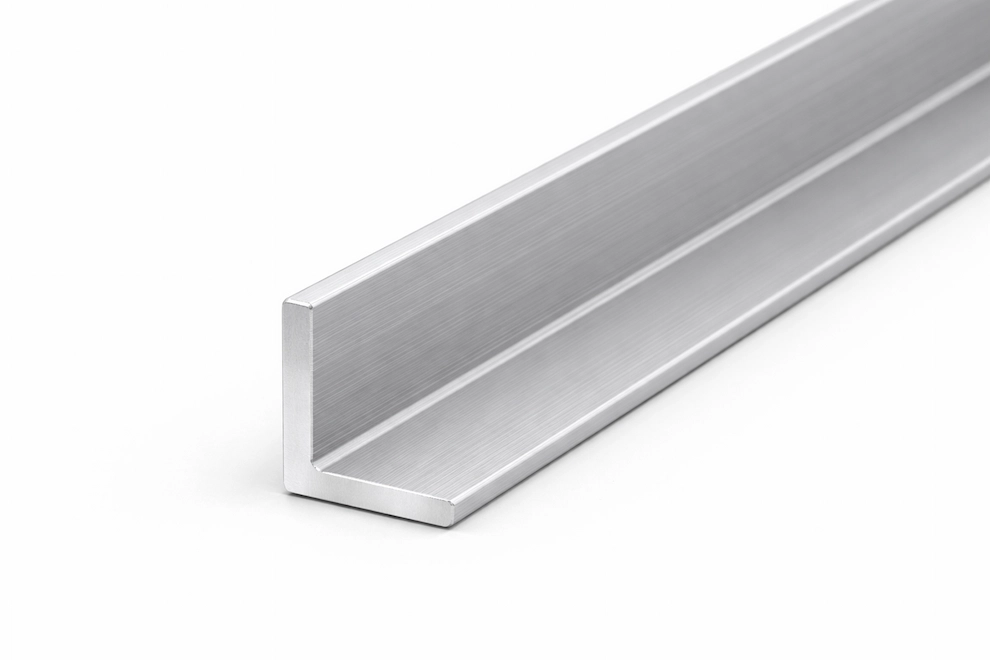
Lightweight, durable, aesthetic, and easy to shape, these profiles stand out for their practicality—whether used in architecture or industry. Named after their “L”-shaped cross-section, they offer significant advantages, especially in edge protection, corner joints, and structural applications.
What Is an Aluminum L Profile?
An aluminum L profile is produced by passing aluminum material through molds under high pressure. This manufacturing technique is called extrusion.
At the mold exit, a simple yet strong “L” shape emerges—two surfaces joined at a right angle. Thanks to this structure, L profiles provide both mechanical strength and ease of installation.
During production, 6000 series aluminum alloys are typically used, giving the material extra strength and corrosion resistance.
If required, T5 or T6 heat treatment is applied to increase hardness. Afterwards, surface treatments such as anodizing or powder coating are used to ensure long service life.
As a result, aluminum L profiles meet both technical and aesthetic expectations with their rust-resistant structure, easy machinability, and elegant appearance.
What Is the Purpose of an Aluminum L Profile?
Perhaps the greatest strength of L profiles is their ability to “create a big structural impact with a small component.”
Although they may appear simple, these profiles play an important role in the durability and ease of assembly of many structures.
- Corner and edge protection: This is the most common use. They provide an aesthetic finish on wall, cladding, or furniture corners while increasing resistance to impacts.
- Structural support element: Despite being lightweight, they offer high strength. They are used in shelving systems, frame supports, and construction structures.
- Connection and joint lines: They enable two different surfaces to join in a reinforced manner, providing both stability and a clean installation line.
- Decorative element: Frequently preferred in minimalist and industrial interior designs to create modern lines.
- Industrial and automation systems: They serve as support profiles in machine frames, modular lines, and load-bearing equipment.
In short, aluminum L profiles find their place in every sector seeking “small but effective” solutions.
Aluminum L Profile Dimensions and Factors Affecting Prices
Aluminum L profile dimensions vary depending on the application area.
For furniture or interior applications, smaller cross-sections (e.g., 15×15 mm or 20×20 mm) are sufficient. In industrial and construction applications, larger and thicker profile types (e.g., 50×50 mm or 80×40 mm) are preferred.
Corner width, wall thickness, and profile length directly affect both durability and ease of application.
Aluminum L profile prices are not fixed. The quality of the alloy used, the type of surface coating (anodized, painted, or mill finish), production tolerances, and order quantity are the main factors determining the price.
Therefore, when selecting the most suitable profile, it is important to consider not only the visual effect but also the technical requirements of the application.
Where Are Aluminum L Profiles Used?
It can be said that the areas where L profiles are used are almost limitless. Their flexibility makes them attractive to many industries:
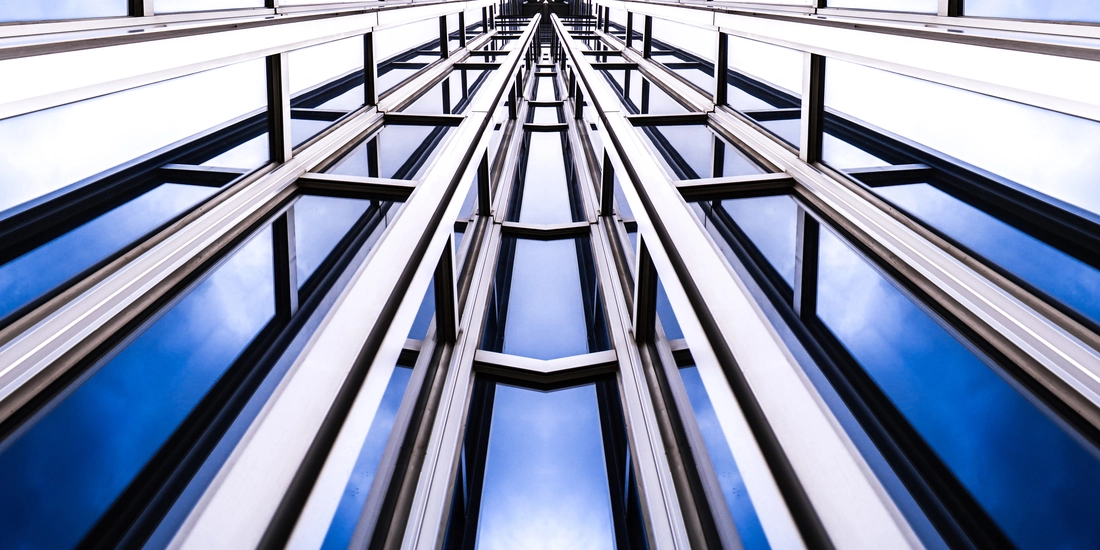
- In architectural applications: Facade systems, roof edges, glass partition systems, protective frames.
- In furniture and interior decoration: Door trims, shelf frames, LED strip transitions, and modern ceiling details.
- In industrial and production lines: Load-bearing frames, modular system connections, machine constructions.
- In transportation and energy sectors: Thanks to their lightweight advantage, they are used in automotive and solar panel mounting systems.
The common factor in all these applications is their ability to provide high durability without sacrificing lightness.
Moreover, aluminum’s recyclability supports environmentally friendly production approaches.
Where Quality, Aesthetics, and Reliability Meet: Sistem Aluminum
The quality of an aluminum profile is determined not only by its material but also by production technology and workmanship.
That is why Sistem Aluminum has stood out for years as one of the most reliable names in the industry.
With modern production lines, high-precision molds, and R&D-supported processes, the company delivers customized solutions for every project.
Whether it is an architectural detail project or an industrial construction…
If you are looking for durability, aesthetics, and technical excellence, Sistem Aluminum will be the right choice.
With aluminum L profiles, building strong structures has never been this light, practical, and stylish.