Aluminum anodized colors hold a significant place in the world of construction and design, offering both aesthetic appeal and durability. Used in a wide range of applications—from modern architecture and the automotive industry to interior decoration and industrial production—aluminum gains both protection and elegance through the anodizing process. Thanks to the broad range of color options, it is possible to produce solutions tailored to every project.
What Are Aluminum Anodized Colors?
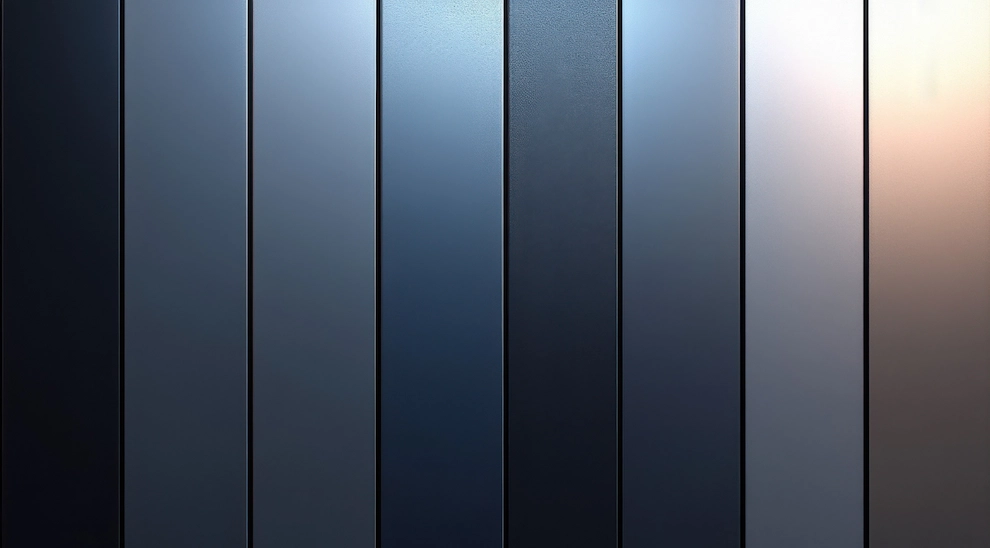
Anodizing is a surface treatment applied to aluminum. After this process, aluminum becomes resistant to corrosion and gains a decorative appearance. During anodizing, a coloring stage can also be applied. Aluminum anodized colors cover a broad spectrum. The most commonly preferred anodized colors in architectural projects today include:
- Natural Anodized: Provides a natural look in matte grey or glossy silver tones. Ideal for modern and minimalist designs.
- Bronze Tones: Ranges from light bronze to dark brown in various intensities. Often used in classical architecture and interior spaces.
- Gold Anodized: Preferred in projects seeking brightness and a luxurious appearance. Known as an eye-catching detail in commercial buildings.
- Black Anodized: A striking choice for industrial and modern designs. Frequently used in both exterior and interior applications.
- Stainless Steel Look: A tone that gives aluminum a stainless steel-like appearance.
What Colors Are Included in the Aluminum Color Catalog?
Anodized color options are broad enough to be customized according to the project. Each brand’s aluminum color catalog includes various shades and surface textures. Colors range from natural tones to dark metallics, with surface options including matte, glossy, or brushed finishes.
The color catalog allows architects, engineers, and designers to choose the most suitable color for their project. However, catalog should be evaluated not only visually but also in terms of surface durability and light reflection. How an anodized surface reflects light directly affects its visual impact in the application area. Therefore, each color should be tested under different lighting conditions before making a final decision.
Types of Colored Anodizing and Technical Details
The anodizing process can be performed using several methods, each affecting the resulting color quality and durability. Colored anodizing can be categorized into three main types:
- Electrolytic Coloring
In this method, the anodized surface undergoes a secondary electrochemical process. During this stage, metal salts are used to create color. Dark shades such as black and bronze are typically produced with this technique. - Organic Coloring (Dyeing)
Since the anodized layer is porous, organic dyes can be absorbed into these pores. The coating is then sealed for durability. This method provides vibrant and wide-ranging color options, though UV resistance may be more limited. - Inorganic Coloring
This advanced technique uses inorganic pigments. It is suitable for long-lasting, UV-resistant surfaces.
Note: These processes enhance aluminum’s resistance to external factors and help maintain its aesthetic appearance over time.
Things to Consider When Choosing Anodized Colors
There are several key points to consider when selecting anodized colors. The color should be evaluated not just visually but also based on its intended application:
- Colors for exterior use must be resistant to UV rays, humidity, and rain. In interior settings, aesthetics may take precedence.
- In large-scale projects, it is important for color tones to be consistent across all components. Thus, working with reputable manufacturers is essential.
- Colors may appear different in daylight, artificial light, or shadow. Therefore, the chosen color should be tested under the actual lighting conditions of the application area.
- Different surface finishes like matte, glossy, or brushed can alter how a color is perceived.
Sistem Alüminyum and Anodized Color Services
Sistem Alüminyum is a leading company that offers reliable solutions for those seeking quality, aesthetics, and durability in aluminum. As a pioneer in anodizing services, the company delivers professional color and surface finish solutions for both architectural and industrial projects.
To explore long-lasting, aesthetic, and high-quality aluminum solutions for your projects, visit https://www.sistemal.com/en/ and easily review the anodized color options and technical details that best meet your needs.