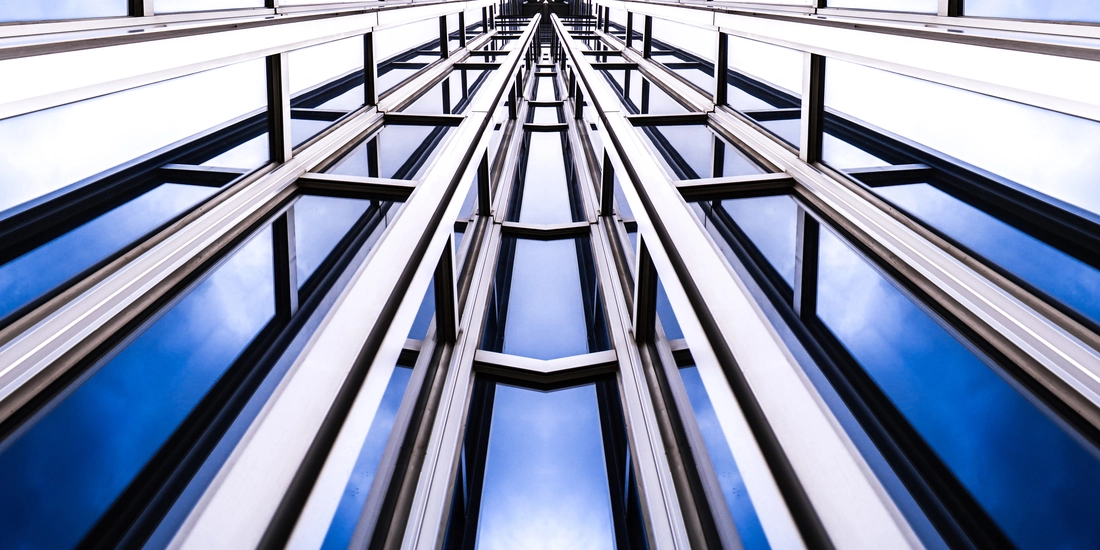
Thermal insulating aluminum systems have become one of the most widely used solutions in modern buildings, driven by rising energy costs and global challenges such as climate change. These specially designed systems enhance indoor comfort by providing insulation to buildings. In addition to their thermal performance, thermal insulating aluminum systems also contribute to sustainable architectural practices with their sleek and aesthetic designs.
What Are Thermal Insulating Aluminum Systems?
Thermal insulating aluminum systems stand out with their advanced design, offering both visual appeal and high performance to meet the dual demands of modern architecture: aesthetics and sustainability. These systems consist of aluminum profiles equipped with specialized insulation barriers, such as polyamide thermal breaks, which significantly reduce heat transfer between indoor and outdoor environments.
Aluminum is naturally a highly conductive material. To improve insulation, thermal barriers placed between two aluminum profiles break the thermal bridge, preventing external heat or cold from entering while maintaining the desired indoor temperature.
Advantages of Thermal Insulating Aluminum Systems
Thanks to their numerous benefits, thermal insulating aluminum architectural systems are widely preferred in modern buildings. Key advantages include:
- They significantly reduce heat transfer between indoor and outdoor environments.
- Commonly used in window, door, sliding, and façade systems, they help reduce energy consumption and enhance indoor comfort.
- Prevent condensation on glass surfaces while minimizing drafts and temperature fluctuations.
- Offer sound insulation as well, contributing to quieter, more peaceful interior spaces.
- Aluminum profiles provide a modern and refined aesthetic, aligning with contemporary architectural trends.
- Slim frames and wide glass openings allow for increased natural daylight indoors.
- Available in various colors and surface finishes, enabling tailor-made design solutions for architectural projects.
- Made from non-combustible materials, they enhance the safety and fire resistance of buildings.
Where Are Thermal Insulating Aluminum Systems Used?
Now considered an essential element in modern architecture, thermal insulating aluminum systems are widely used not only in residential buildings but also in commercial, industrial, and public structures. Their ability to deliver energy efficiency, aesthetic appeal, safety, and comfort makes them a fundamental component of architectural design. Here are the common applications:
- Frequently used in windows, doors, balconies, sliding systems, and terraces to improve indoor comfort and reduce energy costs.
- With high energy demands, these buildings benefit from aluminum systems in façade designs, entrance doors, interior partitions, and panoramic showcases.
- Thermal insulation improves both employee comfort and machine performance, making these systems ideal for factories, warehouses, and production plants.
- In hospitals, clinics, schools, and universities, maintaining a balanced indoor temperature and controlling noise levels is crucial. Thermal insulating aluminum systems are ideal for large glazed façade applications in such environments.
Thermal Insulating Aluminum Systems by Sistem Alüminyum
Sistem Alüminyum offers high-tech solutions with its range of thermal insulating doors, windows, façades, and sliding systems designed for different types of buildings. These systems not only enhance the aesthetic appeal of architectural projects but also improve energy efficiency and indoor comfort. To learn more about our custom-designed aluminum systems, please visit our website at https://www.sistemal.com/en/.